About Rehnuma.
MBACP Integrative Psychotherapist and doctoral candidate.
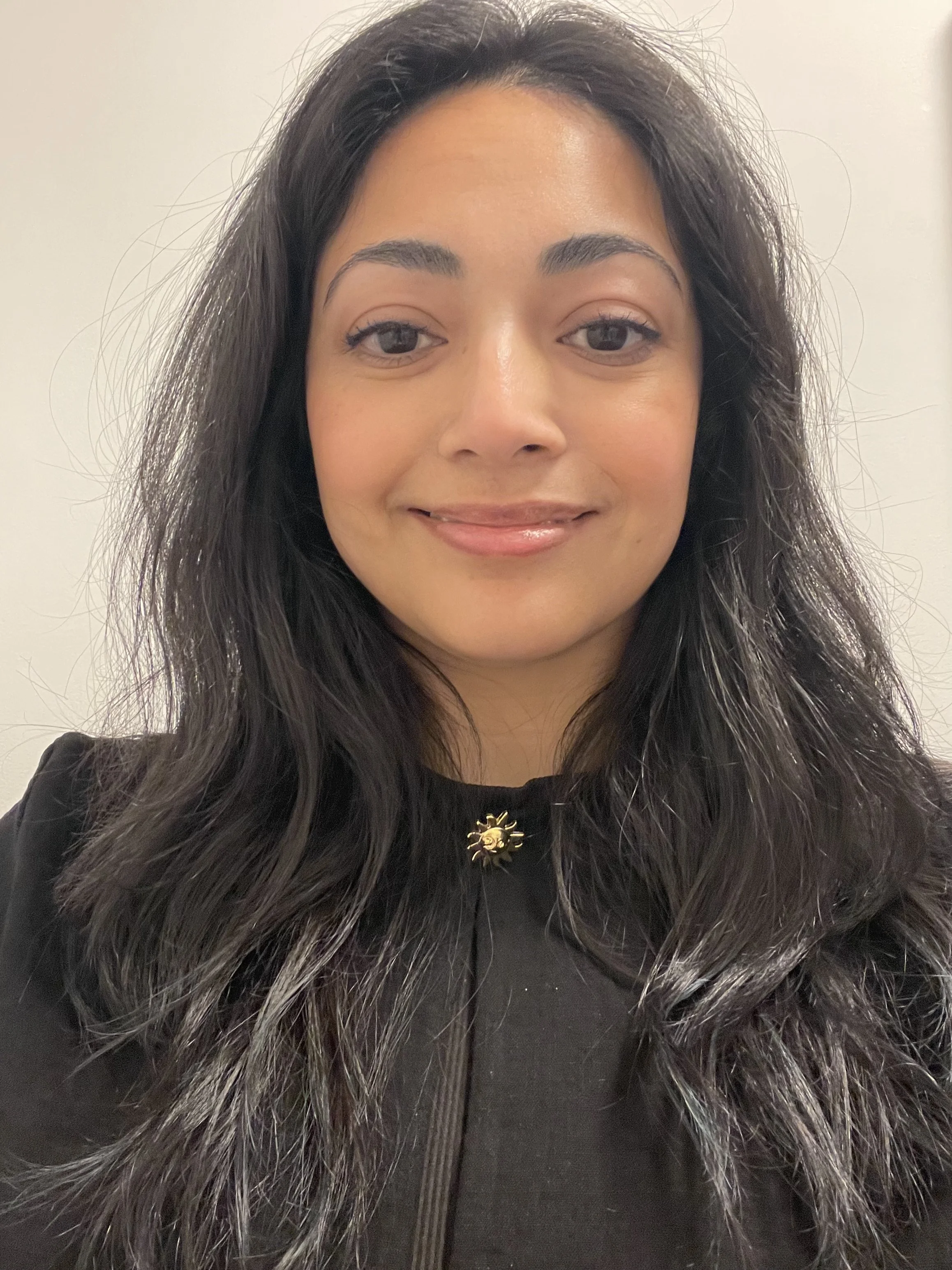
The things we bring to therapy can be hard to admit to ourselves, let alone talk to someone about.
This is why working with someone qualified and trained appropriately is important to know you’re in safe hands. I’m a fully qualified BACP Registered Psychotherapist working within the BACP Ethical Framework.
I’m also a candidate in the British Psychological Society (BPS) accredited doctoral training in Counselling Psychology at the University of Roehampton, meaning I also abide by BPS standards.
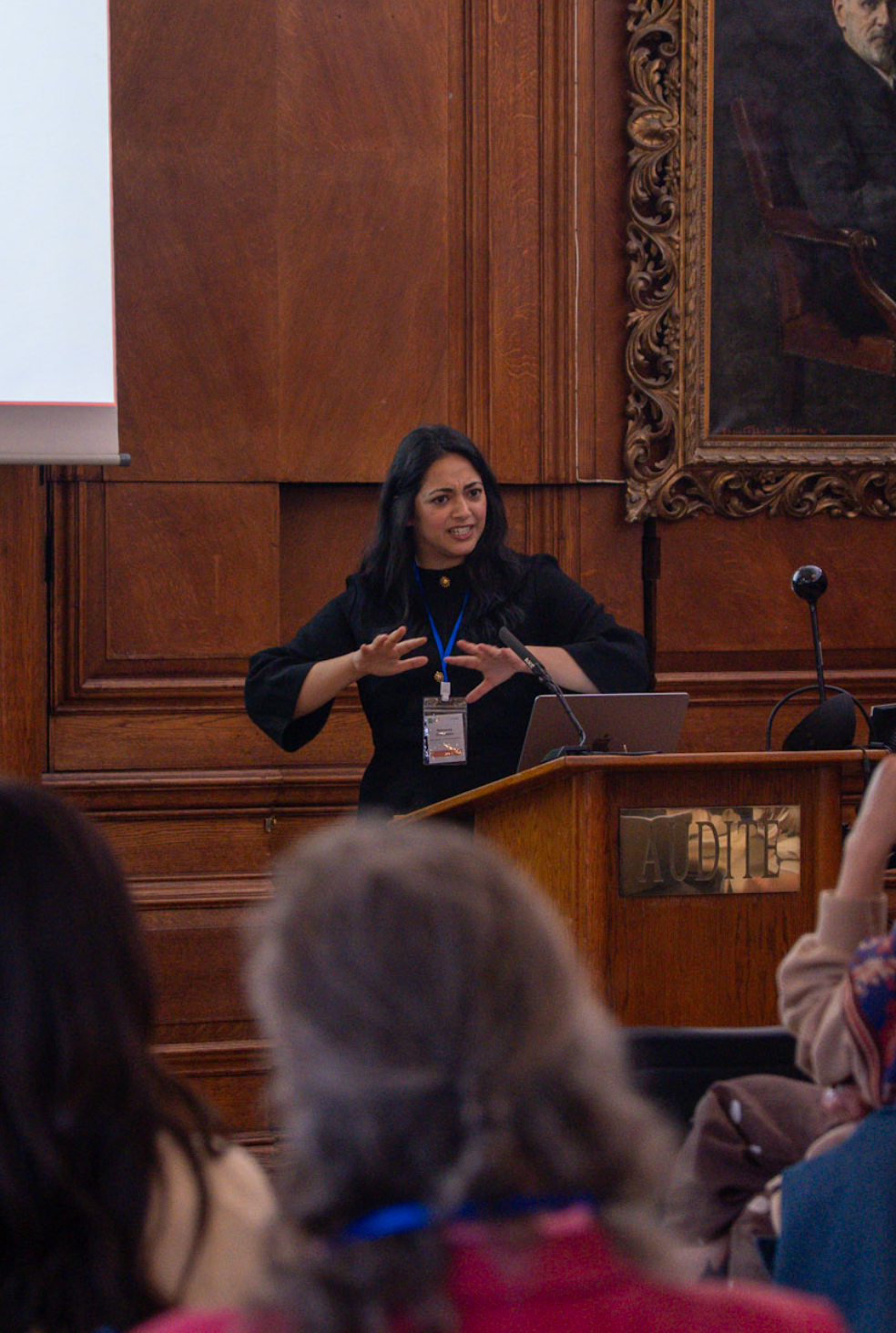
Clinical experience
I have six years of clinical experience across NHS and private settings, working with adults, older adults, and young people. In the NHS I have worked in Talking Therapies (IAPT), community mental health teams and specialist mental health rehabilitation services, gaining experience across a wide range of presentations including complex trauma and childhood sexual abuse, chronic health conditions, severe mood and anxiety difficulties, psychosis, and complex relational and emotional needs.
Evidence-based relational therapy
My training has followed the scientist-practitioner model, meaning that I am trained to work therapeutically while thinking about and referring to the research literature and evidence base around how your struggles affect you. What this means for you is that I'm drawing on more than just my own intuition and experience when we are working together and am usually also drawing on the current wider research literature.
Teaching and consulting
I have taught and led seminars in psychology and psychotherapy at both undergraduate and postgraduate level, bringing clinical practice into academic settings and contributing to the training of the next generation of practitioners.
Alongside this, I am one of a small number of clinical stakeholders involved in developing a pioneering benchmark to assess the therapeutic safety of AI. As AI tools become increasingly present in mental health contexts, the question of what makes them clinically safe and therapeutically sound has never been more pressing.
This work, conducted in conjunction with the University of Roehampton, Kivira and funded by the ESRC Digital Good Network, sits at a new frontier for therapy.
More information can be found about the project here: https://www.k-bench.ai/
Training and qualifications
BSc Psychology, Brunel University. Three year foundation in human psychology covering biological, cognitive, developmental and social psychology as well as personality psychology.
MSc Clinical Associate in Psychology, University College London (UCL). An 18-month clinical psychology training to work with complex adult mental health difficulties in NHS community services, covering Cognitive Behavioural Therapy (CBT) and third-wave behavioural models like Dialectical Behaviour Therapy (DBT) and Acceptance and Commitment Therapy (ACT). Accredited by the British Psychological Society (BPS).
MSc Counselling Psychology, University of Roehampton. Therapeutic and research training covering humanistic therapies including person-centred, existential and Emotion Focused Therapy (EFT).
PsychD Doctorate in Counselling Psychology (pending 2027), University of Roehampton. This is an advanced, doctoral level therapeutic and research training covering humanistic, psychodynamic and CBT and third wave behavioural therapy models in order to practice as a Chartered Counselling Psychologist, a title which is legally protected in the UK, accredited by the British Psychological Society (BPS) and regulated by the Health and Care Professions Council (HCPC).
Other certifications
Certificate in Therapeutic Skills, Metanoia Institute. Foundational therapeutic training in counselling skills.
Intensive Training Certificate in Dialectical Behaviour Therapy (DBT), British Isles DBT. I hold a full certification in Dialectical Behaviour Therapy, one of the most evidence-based approaches for working with emotional intensity, distress tolerance, and difficulties in relationships. This training informs how I work with clients who experience overwhelming emotions or find it difficult to regulate their inner world, even when acute risk is not the primary presenting concern.
Certificate in Relationship and Intimate Partner Therapy, Headstrong Academy. Relationship therapy training covering relational, systemic and anti-oppressive approaches to therapy with couples and relationships.
Addenbrooke's Cognitive Examination (ACE-III). Training to assess for cognitive function in adults and older adults.
Montreal Cognitive Assessment (MoCA). Training to assess for mild cognitive impairment in adults and older adults.
BACP Certificate of Proficiency. Exam to confirm that I meet the standards of practice necessary to register with the BACP.
Full BPS member: Counselling Psychology division.
Enhanced DBS holder: Enabling me to work with both adults and young people.
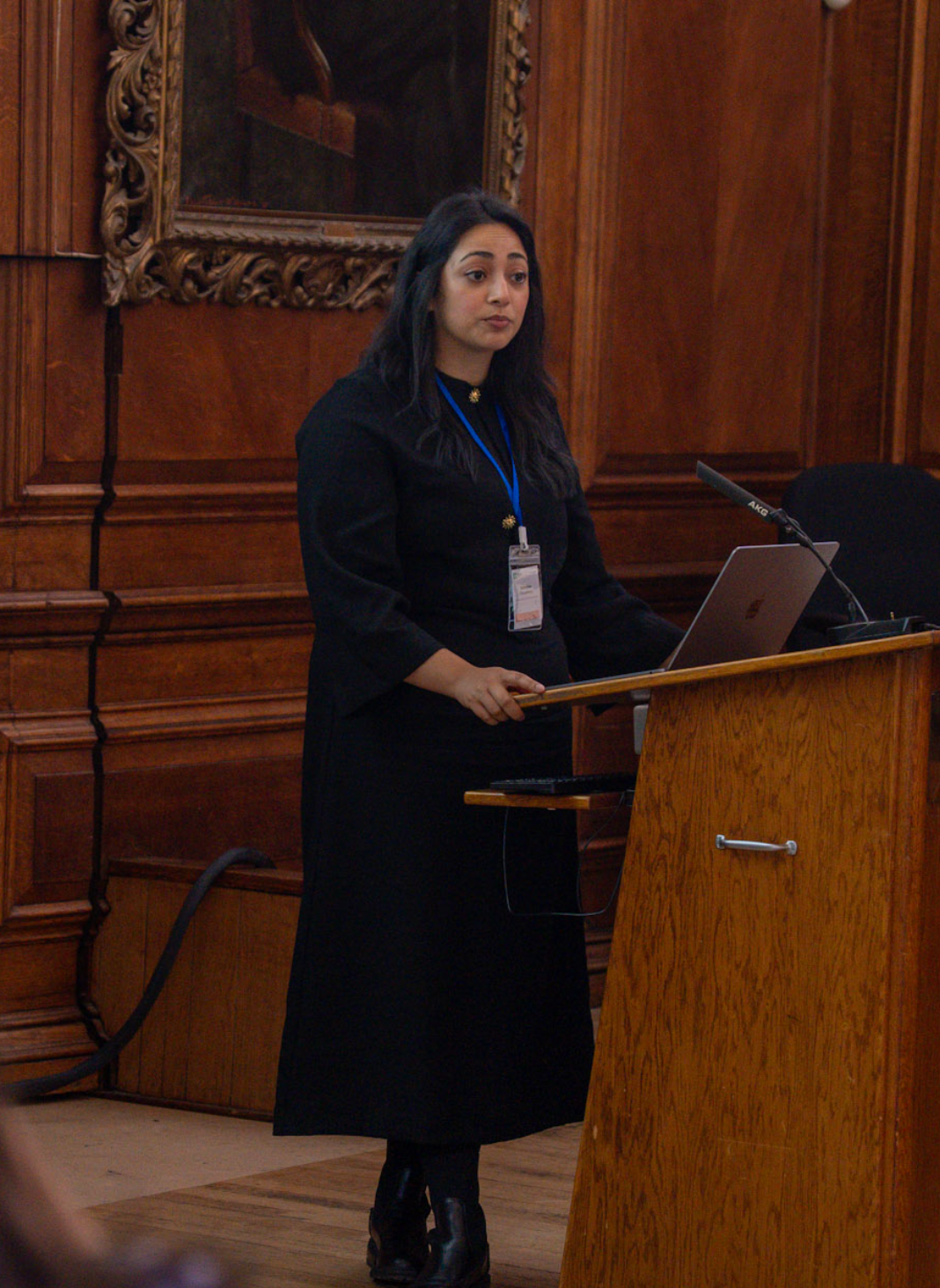
Research activities
My research on feelings of emptiness
Chronic feelings of emptiness are one of the most commonly experienced but least understood phenomena in psychological life. My doctoral research is one of the first of its kind to explore in depth what it actually feels like to live with persistent emptiness, moving beyond theoretical accounts and clinical observation to understand the lived experience directly.
People who feel this way tend to describe a sense of disconnection from themselves and others and from a stable sense of who they are. Some feel socially isolated even when surrounded by others or held within meaningful relationships. Others experience it as emotional numbness, a strange hollowness, or the persistent feeling that life is happening at a slight remove. For some this comes and goes, but for others it is the background of everything.
Find out more and take part in the research here.
The impact of shunning in religious groups
I am also a researcher on a large scale project investigating the psychological impact of shunning in religious communities. This work explores the trauma of leaving a religion and being subjected to organised social exclusion by former community members, and the moral injury carried by people who have enacted shunning practices and live with the psychological consequences of this.
People who have left high-control religious groups often describe profound loss of identity and belonging, social isolation, and grief that is rarely recognised or validated outside specialist contexts. Those who have participated in shunning from a position of religious authority frequently carry a different but equally significant burden, moral injury, shame, and the complex aftermath of having caused harm they may not have freely chosen.
More information can be found about the study here: https://www.msrp.org.uk/
AI safety in therapy
As AI-assisted therapy tools become more widespread, the need for clinically grounded voices in that conversation is growing. In collaboration with the University of Roehampton, I am involved in research into the clinical application and safety of AI in therapy contexts, contributing a practitioner perspective to questions that are currently being debated within the field.
My training, experience and professional registration let you know I meet safe and ethical practice guidelines and the ability to form a relationship that allows for growth and healing.
Contact me for a 20 minute conversation via Google Meet to get a sense of whether working with me sounds right for you.